UK Gambling Market Reaches £17.5 Billion as Remote Sectors Lead Expansion
Written by Viktor Coleman · Sep 18, 2026

UK Gambling Market Reaches £17.5 Billion as Remote Sectors Lead Expansion
teh UK Gambling Commission released its official annual industry statistics for the financial year April 2025 to March 2026 and the figures reveal total gross gambling yield climbed 4.4 percent year on year to reach £17.5 billion, while remote gambling, particularly online casino and slots, accounted for the bulk of that increase.
Remote Gambling Drives Overall Growth
Data from the commission shows online casino and slots generated £5.7 billion in GGY during the period, marking a 14.8 percent rise compared with the previous year, and this segment alone contributed the largest share of the market's expansion because operators continued to attract players through updated game libraries and promotional activity. Remote betting GGY meanwhile fell 6.6 percent, reflecting shifts in consumer preferences away from traditional sports betting formats toward casino-style products that deliver quicker session times.
Those who track the sector note that the number of licensed betting shops declined 3.6 percent over the same twelve months, a trend that aligns with broader consolidation among high-street operators who face rising operational costs and changing footfall patterns. Land-based gambling overall posted a modest 1.1 percent increase in GGY, supported mainly by gaming machine revenues that offset softer performance in table games and other physical offerings.
Breakdown of Key Segments
Remote casino and slots stood out because their 14.8 percent gain outpaced every other category, and the commission's statistics tie this performance to sustained player engagement across mobile platforms where instant-play options remain popular. In contrast, remote betting experienced the 6.6 percent drop partly because major sporting events produced fewer high-margin outcomes and because some customers migrated toward casino products that offer continuous play rather than event-driven wagers.
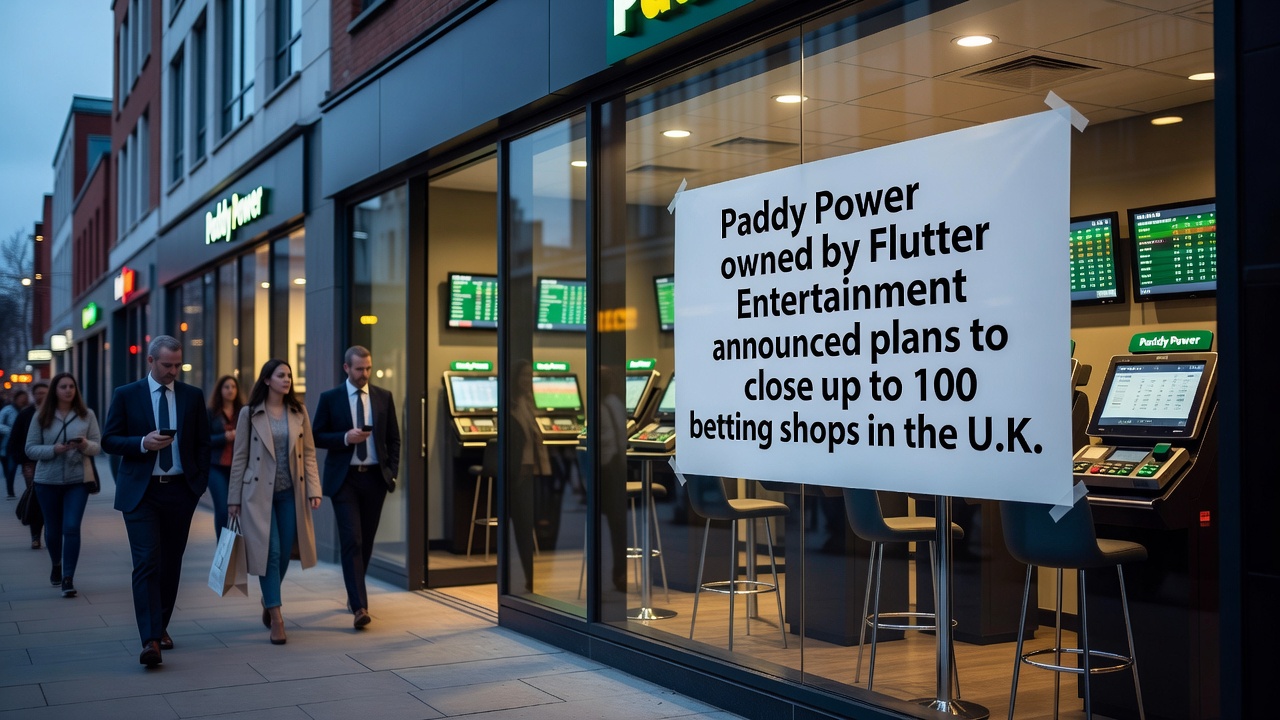
Land-based venues recorded the 1.1 percent uptick because gaming machines delivered stronger returns in venues that retained their full machine allocations, whereas betting shops continued their gradual reduction in numbers. Observers note that the 3.6 percent decline in betting shop count represents the ongoing adjustment operators make when evaluating lease renewals and staffing requirements against current revenue levels.
Regulatory Context and Reporting Timeline
The Gambling Commission publishes these annual statistics each autumn, and the September 2026 release presented the complete picture for the April 2025 to March 2026 financial year, giving operators and policymakers a clear baseline against which future quarters can be measured. Figures in the report cover all GB-licensed activity and exclude any overseas or unlicensed operations, ensuring the data reflects only the regulated market.
According to the official statistics, the 4.4 percent overall rise occurred even though remote betting and physical retail both recorded declines, demonstrating how the strength of online casino and slots can offset weakness elsewhere. The commission's methodology counts GGY as the total amount retained by operators after paying out winnings, which provides a consistent metric across remote and land-based channels.
Conclusion
The April 2025 to March 2026 data therefore illustrates a market where remote casino and slots continue to expand their share while remote betting and high-street betting shops experience contraction. Total GGY reached £17.5 billion after the 4.4 percent increase, land-based activity edged higher by 1.1 percent thanks to machines, and the 3.6 percent drop in betting shop numbers reflects operators adapting to current conditions. The full report remains available on the Gambling Commission's website for anyone seeking the complete dataset.